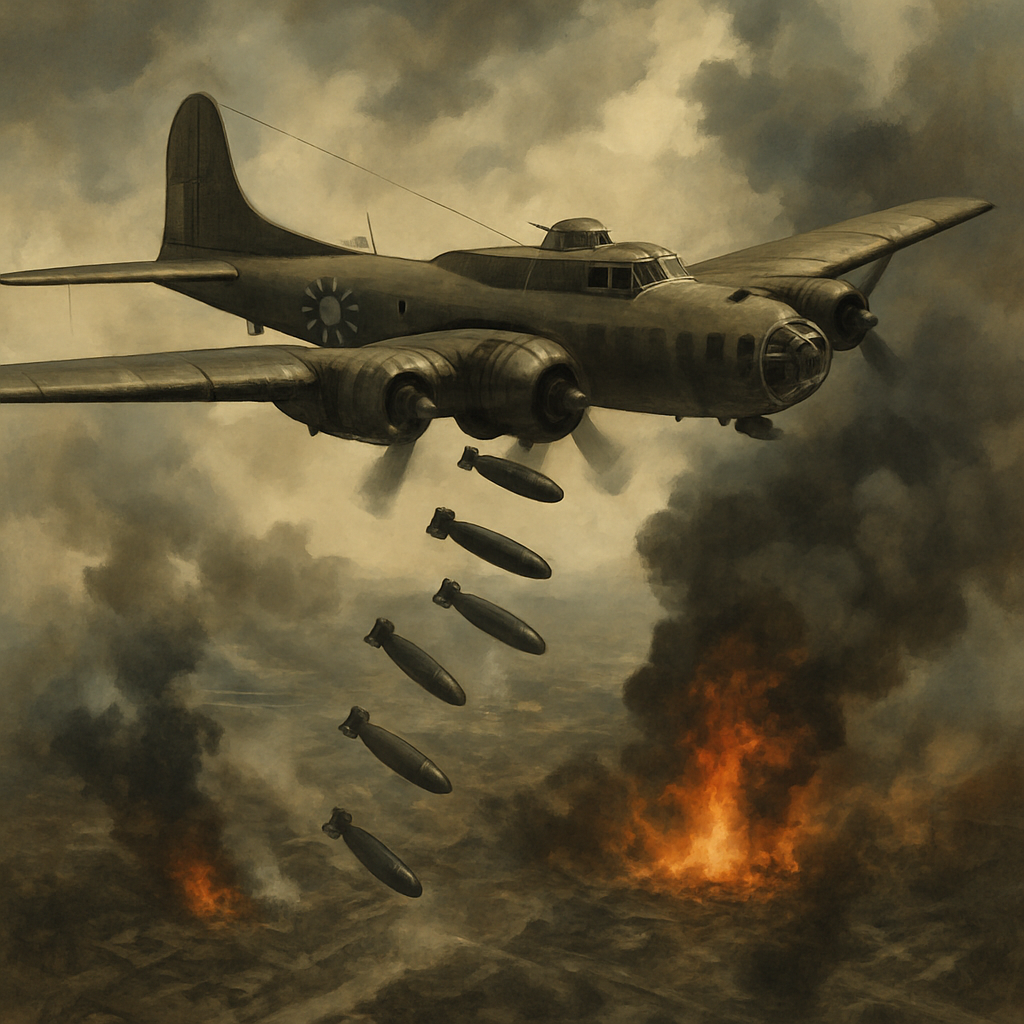
Here’s what the experts and latest analysis say about why the U.S. hasn’t completely flattened Iran—and why Iran still stands:
1. Why the U.S. hasn’t “reduced Iran to ashes”
Calibrated strikes, not total war
U.S. leaders have opted for targeted strikes—like June’s “Operation Midnight Hammer”—against selected nuclear facilities (Fordow, Natanz, Isfahan). A broader plan to hit more sites was considered but shelved due to concerns over escalation, regional blowback, and domestic politics
Nature+2Atlantic Council+2New York Post+2The Economic TimesNew York Magazine+10The Washington Post+10The Daily Beast+10.
Restraint amid complexity
According to CSIS analysts, full-scale military intervention—especially involving MC-12 strikes on broader military infrastructure—could spiral into a prolonged war, undermining Trump’s “avoid forever wars” stance and complicating U.S. ties in the Gulf
Disruption assessed
US government officials claimed that Iran’s nuclear program was “completely destroyed,” but other independent assessments from DIA, Pentagon, and CFR reported only a 6‑month delay on Iran’s nuclear program, and did not destroy Iran’s stockpiles, nor underground infrastructure from which they could rebuild in short order
csis.org+5
csis.org+5
Financial Times+5
The Washington Post+2
Council on Foreign Relations+2
The Daily Beast+2
.
2. Why Iran won’t collapse
Built-in resilience
Iran’s own political-economic structure was built to resist shocks, both from without and when from within, if we take CFR on the external strikes which were not meant to collapse the regime.
YouTube+4New Lines Institute+4Financial Times +4
Authoritarian control
The regime has authoritarian control over the media and security so large-scale mobilization against it has not occurred even during significant strikes, and analysts agree that regime change will not occur without some failure of loyalty on the inside.
New Lines Institute
Financial Times
No viable successor movement
As FT explains, despite internal dissatisfaction, there’s no clear alternative ready to govern should the current leadership fall, reinforcing Iran’s “strategic stalemate” Wikipedia+1Atlantic Council+1Financial Times.
3. What is Iran’s “secret” to surviving?
Underground infrastructure & redundancy
Key facilities like Fordow are hardened, deeply buried, and redundant—designed to resist airstrikes. Iran has also dispersed centrifuges and stockpiles across multiple sites and potentially concealed or relocated critical equipment
ABC News+15csis.org+15The Washington Post+15.
Strategic patience & diplomacy
Experts like Arash Azizi and others in Politico argue Tehran prefers negotiation over war, betting that its internal cohesion and Western weariness will eventually force diplomatic deals
The Economic Times+15politico.com+15csis.org+15.
4. Does Iran already have nuclear weapons?
Technologically viable—but without a bomb
Iran has not produced a nuclear warhead. Western intelligence and the IAEA indicate that Iran has enriched uranium (up to ~60%) and has the capability to go weapon-capable within months—but is not currently making a bomb
Wikipedia +3The Guardian +3 Wikipedia +3 AP News +3 Financial Times +3 Wikipedia +3
.
Religious/legal constraints exist
Supreme Leader Khamenei issued a fatwa in the mid-2000s stating that nuclear weapons were banned. Some hardliners argue that this could be reversed if Iran feels cornered.
Wikipedia
Wikipedia
Correlate to missile capabilities
Iran’s medium- and long-range missiles (e.g., Shahab-3, Sejjil) were designed to carry nuclear payloads—should they desire to weaponize and therefore can reach much of the region and parts of Europe.
Wikipedia
Expert consensus: main conclusions
Question Expert Take
Why no full-scale bombing? To keep regional war, escalation of the conflict, and political fallout minimal—a one-night-a-strike sent the signal but, in political terms, the prospects for full-scale action are unappetizing. The Daily Beast
Why does Iran remain standing? Structural resilience, authoritarian power margins, redundancies in underground material preservation, and no credible challenger within.
New Lines Institute. Financial Times
The status of Iran’s nuclear weapons? A threshold nuclear state—capable of building a weapon within months of an order—but presently prevented from doing so for lawful/foundational religious reasons.
Financial Times.Wikipedia
Concluding Remarks
Iran is alive and thriving because of a strategic architecture, a longer-term structural hard political power, and a strategic policy of “resistance within limits.” The U.S. and Israel have the capacity to strike – but they have chosen a strategy of surgical disruption over a strategy of total war. Iran has not collapsed; it is nuclear-capable – but is not going nuclear – yet.

Laisser un commentaire