Trump Meets Putin in Alaska: A Summit Full of Symbolism, Skepticism, and Stakes
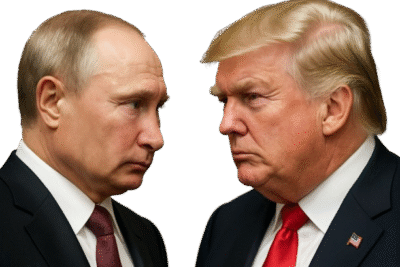
Today, in a chilly corner of Anchorage, Alaska, two of the most watched political figures in the world shook hands for the first time in years. U.S. President Donald Trump and Russian President Vladimir Putin sat down for a high-stakes meeting aimed at least on paper at finding a path toward peace in Ukraine and redefining the tone of U.S.–Russia relations.
It’s a scene packed with history, politics, and a fair share of drama.
Why This Meeting Matters
This isn’t just another diplomatic photo-op. It’s Trump’s first face-to-face with Putin since returning to the White House, and the first time the two leaders have met in person since 2019.
The stakes are high: Ukraine is still at war, NATO is watching nervously, and the world is wondering whether this summit will bring progress or simply headlines.
For Trump, the goal seems to be securing at least the outline of a ceasefire, even if that means pushing for territorial compromises. For Putin, the priorities appear different: cement Russia’s control over occupied Ukrainian territories, loosen Western sanctions, and possibly strike new arms control deals.
The Controversy: Ukraine Isn’t at the Table
One glaring absence? Ukraine itself.
President Volodymyr Zelenskyy was not invited, and that has set off alarm bells across Europe and among Ukraine’s allies. The fear is simple: any deal discussed “about Ukraine without Ukraine” risks sidelining the very country fighting for its sovereignty.
Alaska: More Than a Location
Why Alaska? Pretty good reason. On a logistical level, it is also halfway between Moscow and Washington. But on a symbolic level, there isn’t a country that could have more weight. Alaska is already a poetic (or ironic) setting for a conversation tuned into territory, history, and power, because it used to be part of Russia before the United States bought it in 1867, and holding the meeting on U.S. soil also protects Putin from any of the inherent potential to be arrested under international warrants—albeit the propaganda opportunity for him has likely voided any inherent risks.
What the Analysts Are Saying
Analysts are split.
Some might be hoping for Trump to at least get something down on paper that the NATO and Ukraine could accept. Others are cautioning that the return trip might just be met with statements of indecision, or worse, Trump accepting agreements that dissolve alliances and crater Ukraine’s position even further.
The history of conflict resolution scholars also bestows perspective: In history, a tiny minority only of wars end on a peace deal that endures, and are often only initial agreements that crumble in the space of a couple of years.
The Most Likely Outcome?
If history is a guide, we shouldn’t expect sweeping breakthroughs. The most probable scenario is a “agree-to-agree” type of announcement—something that looks good in headlines but avoids committing either side to specifics.
Still, the images and soundbites from Anchorage will echo far beyond today. Whether they signal a real shift or just political theater will become clear in the months ahead.
Bottom line:
The Trump–Putin summit is part chess match, part stage play, and part gamble. What comes next will depend not just on what’s said in Alaska but on how the rest of the world responds.
About the Author