Abstract:
This inquiry studies the physical and linguistic similarities between ancient Egyptians and Somalis in anthropology, linguistics, genetics, and archaeology. This essay will examine the commonality of the Afroasiatic linguistic family, the craniofacial and genetic similarities of these peoples, as well as the historical connection of ancient Egyptians and Somalis travelling and engaging in trade together in antiquity. The study concludes that the historical evidence reviewed indicates a very old and deeply rooted connection that defies simple geographical and racial distinctions in our understanding of ancient civilizations.
Introduction:
The question of the origins and, consequently, identity of the ancient Egyptians has been a scholarly pursuit for well over a century. One of the many debates around the subject has been whether or not there are any significant bodily or linguistic connections between the ancient Egyptians and the present-day Somali people. The focus of this essay will be to explore this question by sourcing from various well-respected academic disciplines above, mainly biological anthropology and historical linguistics.
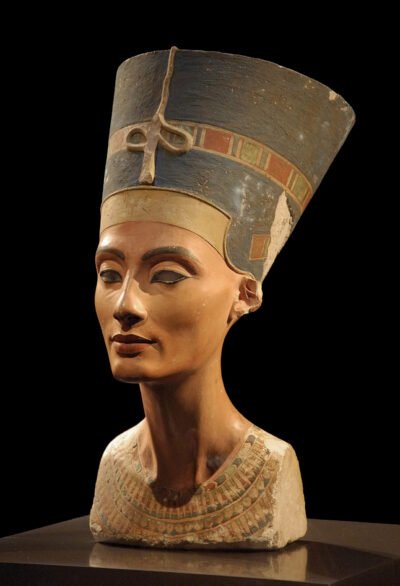
Research by scholars such as Dr. S.O.Y. Keita and Cheikh Anta Diop have presented strong evidence that the people populating Upper Egypt (or southern Egypt) share similar physical characteristics to those of contemporary Northeast African groups such as the Somali. Keita’s morphometric study of cranial remains from pre-dynastic and early dynastic Egyptians clearly indicates population affinities to Nubians, Ethiopians and Somalis. These observations also confirm classical observations such as Herodotus’s statement that Egyptians had dark skin and woolly hair.
Linguistic relationships:
Ancient Egyptian, linguistically, is a member of the Afroasiatic language family which also includes Somali, a Cushitic language. Linguists such as Christopher Ehret and Joseph Greenberg state that these languages share a common ancestral language called proto-Afroasiatic which existed 10,000+ years ago in Northeast Africa. While ancient Egyptian is from the Egyptian branch and Somali is a Cushitic language, both are structurally related (including the morphological and grammatical systems, root-based morphology). They have both have an ancestral homeland and ancestry.
Cultural and Historical Links:
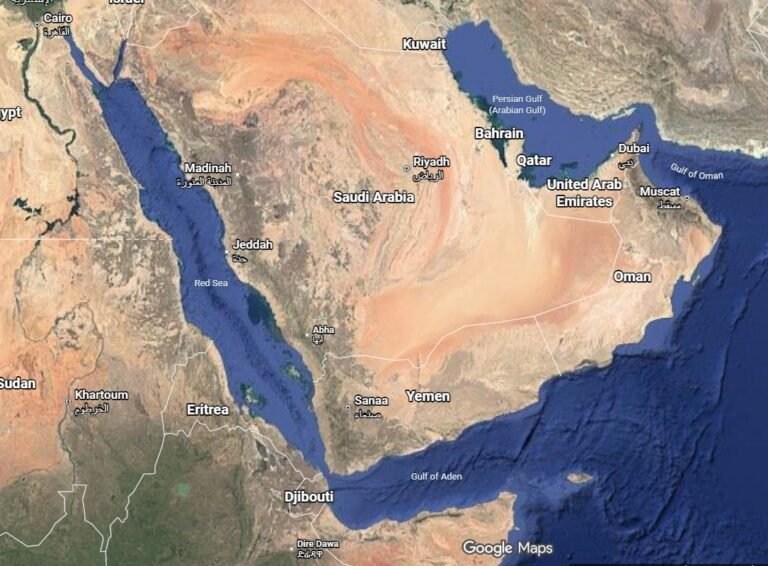
One of the most concrete ties between ancient Egyptians and the Somali region is the land of Punt, frequently mentioned in Egyptian record as a trading partner. Punt was famous for luxury products like gold, myrrh, and exotic animals. Typically viewed as located in the Horn of Africa in aspects of modern-day Somalia and Eritrea, many scholars believe Punt existed in this area. The Puntites in Egyptian portrayal had East African features, which suggests not only trade but a familiarity in appearance and common heritage.
Genetic evidence:
Advancements in ancient DNA analysis further support a common ancestry for ancient Egyptians and populations in East Africa. Modern Egyptians have a mixed genetic make-up as a result of interactions throughout centuries between the local population and people from Eurasia and African races. In contrast when analyzing the ancient genomes from the mummies of ancient Egyptians the results show similarities to the indigenous people of Northeast Africa. Modern populations in Somalia have genetic signatures in addition to Cushitic, Nilotic and ancient North-East Africans suggesting a common ancestry as a pool from which they evolved.
Conclusion:
The combined information from physical anthropology, historical linguistics, archaeology, and genetics indicates that there is a strong connection between the ancient Egyptians and the people of Somalia. Their physical characteristics, shared Afroasiatic language stems, and their historical interaction- particularly with the Land of Punt, emphasizes their cultural interoperability as well as biological commonality. That said, understanding these connections shows that Eurocentric narratives were fabricated, as East Africa played an integral role in the development of one of history’s most known civilizations.
References:
Keita, S.O.Y. (1990). Studies of ancient cranial remains from northern Africa. American Journal of Physical Anthropology.
Diop, C.A. (1974). The African Origin of Civilization: Myth or Reality.
Ehret, C. (2001). A Historical-Comparative reconstruction of Nilo-Saharan.
Greenberg, J. (1963). The Languages of Africa.
Yurco, F. (1996). Were the ancient Egyptians black or white? Biblical Archaeology Review.
UNESCO. (1981). General History of Africa Vol. II: Ancient Civilizations of Africa
About the Author